
























Introduction
Constipation is one of the most common digestive complaints worldwide. It can cause discomfort, bloating, and even long‑term health issues if ignored. While medications exist, dietary changes are the most effective and sustainable way to manage constipation. By 2026, nutritionists and gastroenterologists emphasize fiber, hydration, and probiotics as the cornerstones of relief.
This article explores the 10 best foods for constipation, backed by medical research and expert recommendations, and explains how they work, their nutritional benefits, and practical ways to include them in your diet.
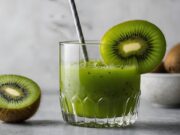
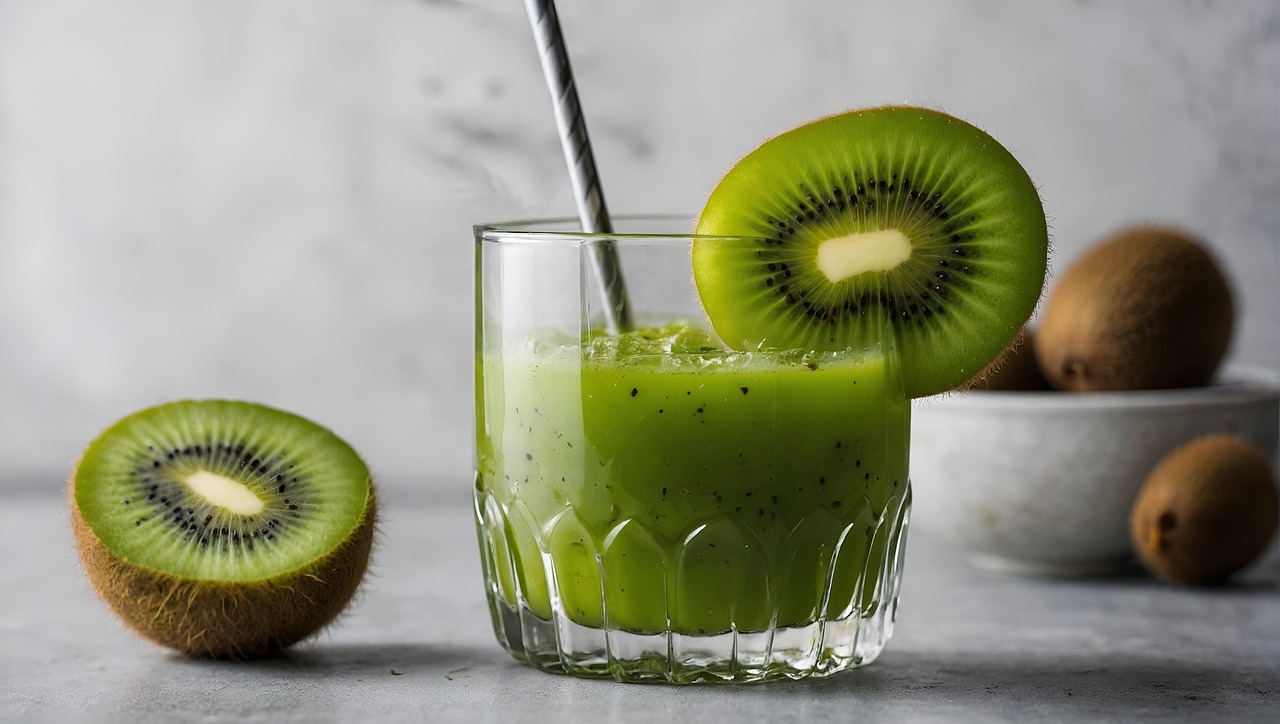
⚡ 1. Kiwi – Nature’s Gentle Laxative
- Why It Helps: Kiwi contains actinidin, an enzyme that aids digestion, plus soluble fiber that softens stools.
- Evidence: Studies show kiwi improves bowel movement frequency in people with chronic constipation.
- How to Eat: One kiwi daily, fresh or in smoothies.
⚡ 2. Prunes – The Classic Remedy
- Why It Helps: Prunes are rich in sorbitol, a natural sugar alcohol with mild laxative effects.
- Evidence: Nutritionists highlight prunes as one of the most effective natural remedies.
- How to Eat: 4–5 prunes daily, or prune juice.
⚡ 3. Flaxseeds – Tiny Seeds, Big Impact
- Why It Helps: Flaxseeds provide both soluble and insoluble fiber, promoting stool bulk and softness.
- Evidence: Recommended in constipation guidelines for their high fiber content.
- How to Eat: Add ground flaxseeds to oatmeal, yogurt, or smoothies.
⚡ 4. Chia Seeds – Fiber Powerhouse
- Why It Helps: Chia seeds absorb water, forming a gel that eases stool passage.
- Evidence: Popular in functional nutrition for constipation relief.
- How to Eat: Mix into puddings, overnight oats, or water.
⚡ 5. Whole Grains – Rye Bread & Oats
- Why It Helps: Whole grains provide insoluble fiber that speeds intestinal transit.
- Evidence: Rye bread is specifically recommended in British Dietetic Association guidelines.
- How to Eat: Replace white bread with rye or whole wheat, and include oats in breakfast.
⚡ 6. Leafy Greens – Spinach & Kale
- Why It Helps: High in fiber, magnesium, and water content.
- Evidence: Magnesium helps draw water into the intestines, softening stools.
- How to Eat: Add to salads, soups, or smoothies.
⚡ 7. Apples – Pectin for Gut Health
- Why It Helps: Apples contain pectin, a soluble fiber that improves stool consistency.
- Evidence: Harvard experts recommend apples as everyday gut‑friendly foods.
- How to Eat: Eat raw with skin, or bake for variety.
⚡ 8. Pears – Hydrating & Fiber‑Rich
- Why It Helps: Pears are high in water and fiber, plus natural sorbitol.
- Evidence: Effective in softening stools and improving bowel regularity.
- How to Eat: Fresh pears or pear juice.
⚡ 9. Beans & Lentils – Plant Protein + Fiber
- Why It Helps: Legumes are packed with insoluble fiber that adds bulk to stools.
- Evidence: Clinical guidelines recommend legumes for chronic constipation.
- How to Eat: Add to soups, curries, or salads.
⚡ 10. Yogurt with Probiotics – Gut Microbiome Support
- Why It Helps: Probiotics restore healthy gut bacteria, improving motility.
- Evidence: Probiotic strains like Bifidobacterium and Lactobacillus reduce constipation symptoms.
- How to Eat: Choose unsweetened yogurt with live cultures.
Comparative Table
| Food | Key Nutrient/Compound | Effect on Constipation | Best Way to Eat |
|---|---|---|---|
| Kiwi | Actinidin, fiber | Improves motility | Fresh, smoothies |
| Prunes | Sorbitol, fiber | Natural laxative | Whole, juice |
| Flaxseeds | Soluble + insoluble fiber | Stool bulk & softness | Ground in meals |
| Chia Seeds | Soluble fiber, gel | Softens stools | Pudding, oats |
| Whole Grains | Insoluble fiber | Faster transit | Rye bread, oats |
| Leafy Greens | Fiber, magnesium | Hydration & motility | Salads, soups |
| Apples | Pectin | Improves consistency | Raw, baked |
| Pears | Sorbitol, water | Softens stools | Fresh, juice |
| Beans/Lentils | Insoluble fiber | Adds bulk | Curries, soups |
| Yogurt | Probiotics | Gut balance | Unsweetened, live cultures |
Conclusion
Constipation relief doesn’t require harsh laxatives—it often starts with simple, everyday foods. Kiwi, prunes, flaxseeds, chia seeds, whole grains, leafy greens, apples, pears, beans, and probiotic yogurt are proven to improve gut motility and stool consistency. By incorporating these foods into your daily diet, you can achieve long‑term digestive health naturally