


























Introduction
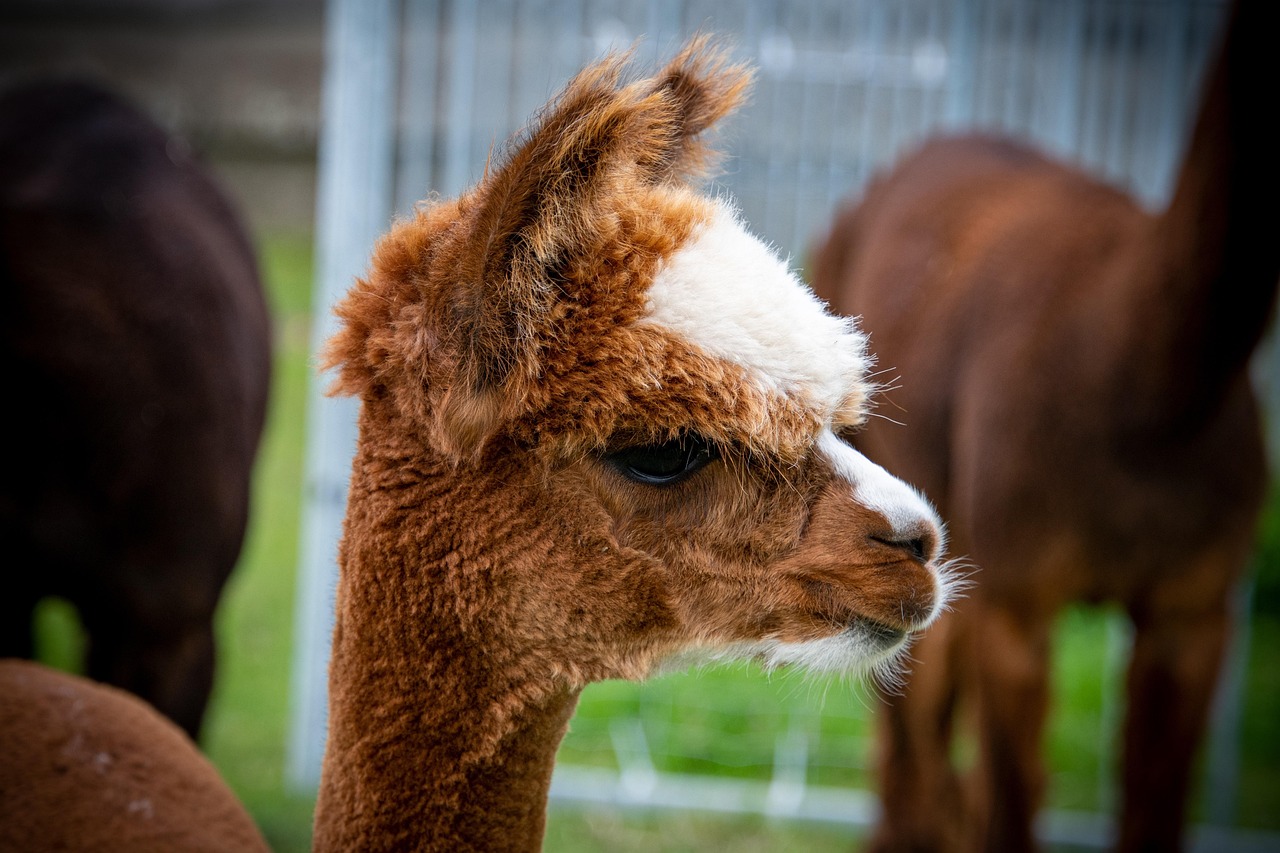
Alpacas are often admired for their soft fleece and gentle demeanor, but behind their adorable appearance lies a world of fascinating traits and history. Native to the Andes Mountains of South America, alpacas have been domesticated for thousands of years and continue to play an important role in agriculture, fashion, and even therapy. This article dives into 10 lesser‑known facts about alpacas, blending science, culture, and fun anecdotes to give you a deeper appreciation of these remarkable animals.
1. Alpacas Communicate by Humming
Unlike many herd animals, alpacas don’t rely heavily on loud vocalizations. Instead, they hum softly to express curiosity, contentment, or concern. Mothers hum to their cria (baby alpacas), and herds hum to maintain social bonds. This gentle communication style makes them unique among camelids.
2. They’re Part of the Camel Family
Alpacas belong to the camelid family, which includes llamas, vicuñas, guanacos, and camels. Despite their resemblance to llamas, alpacas are smaller and bred primarily for fleece rather than carrying loads. Their lineage stretches back thousands of years, linking them to desert camels and highland grazers.
3. Two Distinct Breeds Exist
There are two alpaca breeds:
- Huacaya: Fluffy, teddy‑bear‑like fleece with a crimped texture.
- Suri: Long, silky locks that hang like dreadlocks. Huacayas make up about 90% of the global population, while Suris are prized for luxury textiles.
4. Alpacas Have a Patriarchal Society
In herds, alpacas often form patriarchal structures, with dominant males overseeing groups of females. This social hierarchy influences grazing patterns, mating, and herd movement. Observing alpaca society offers insights into animal behavior and leadership dynamics.
5. They Give Birth During Daylight Hours
Alpacas almost always give birth between 10 a.m. and 2 p.m. This adaptation helps ensure cria are born during warmer daylight, reducing risks from cold Andean nights. Farmers appreciate this predictability, which makes monitoring births easier.
6. Alpaca Fleece Is Hypoallergenic
Unlike sheep’s wool, alpaca fleece contains no lanolin, making it hypoallergenic. It’s also warmer, lighter, and softer than wool, with natural water resistance. This makes alpaca textiles highly sought after in fashion and outdoor gear.
7. They Have Unique Teeth and Digestive Systems
Alpacas have ever‑growing teeth that wear down naturally as they graze. Their three‑chambered stomachs efficiently process tough Andean grasses, making them eco‑friendly grazers. They consume less food and water than many livestock, reducing environmental impact.
8. Alpacas Use a Communal “Bathroom”
Alpacas are surprisingly hygienic. Herds designate specific spots as communal toilets, keeping pastures cleaner and reducing parasite spread. This behavior makes them easier to manage compared to other grazing animals.
9. They Were Sacred in Ancient Andean Culture
For the Inca civilization, alpacas were considered sacred. Their fleece was reserved for royalty, and herds were carefully managed as symbols of wealth and prosperity. Even today, alpacas remain culturally significant in Peru, Bolivia, and Chile.
10. Alpacas Can “Dance” When Playful
Young alpacas often engage in playful antics, bouncing and hopping in what looks like a dance. This behavior strengthens social bonds and showcases their fun‑loving nature. Farmers often describe these moments as some of the most joyful aspects of raising alpacas.
Comparative Snapshot
| Fact # | Unique Trait | Why It Matters |
|---|---|---|
| 1 | Humming communication | Gentle social bonding |
| 2 | Camelid family lineage | Links to camels, llamas, vicuñas |
| 3 | Two breeds (Huacaya, Suri) | Textile diversity |
| 4 | Patriarchal herd society | Insights into animal behavior |
| 5 | Daylight births | Survival adaptation |
| 6 | Hypoallergenic fleece | Luxury fashion appeal |
| 7 | Unique teeth & digestion | Eco‑friendly grazing |
| 8 | Communal bathroom habits | Hygiene and parasite control |
| 9 | Sacred in Inca culture | Historical and cultural significance |
| 10 | Playful “dance” | Joyful social behavior |
Conclusion
Alpacas are more than just adorable farm animals. They embody resilience, cultural heritage, and ecological sustainability. From their humming communication to their sacred role in Andean history, alpacas offer lessons in community, adaptation, and joy. Whether you encounter them on a farm or in a textile shop, you’ll now appreciate the hidden depths of these gentle creatures.